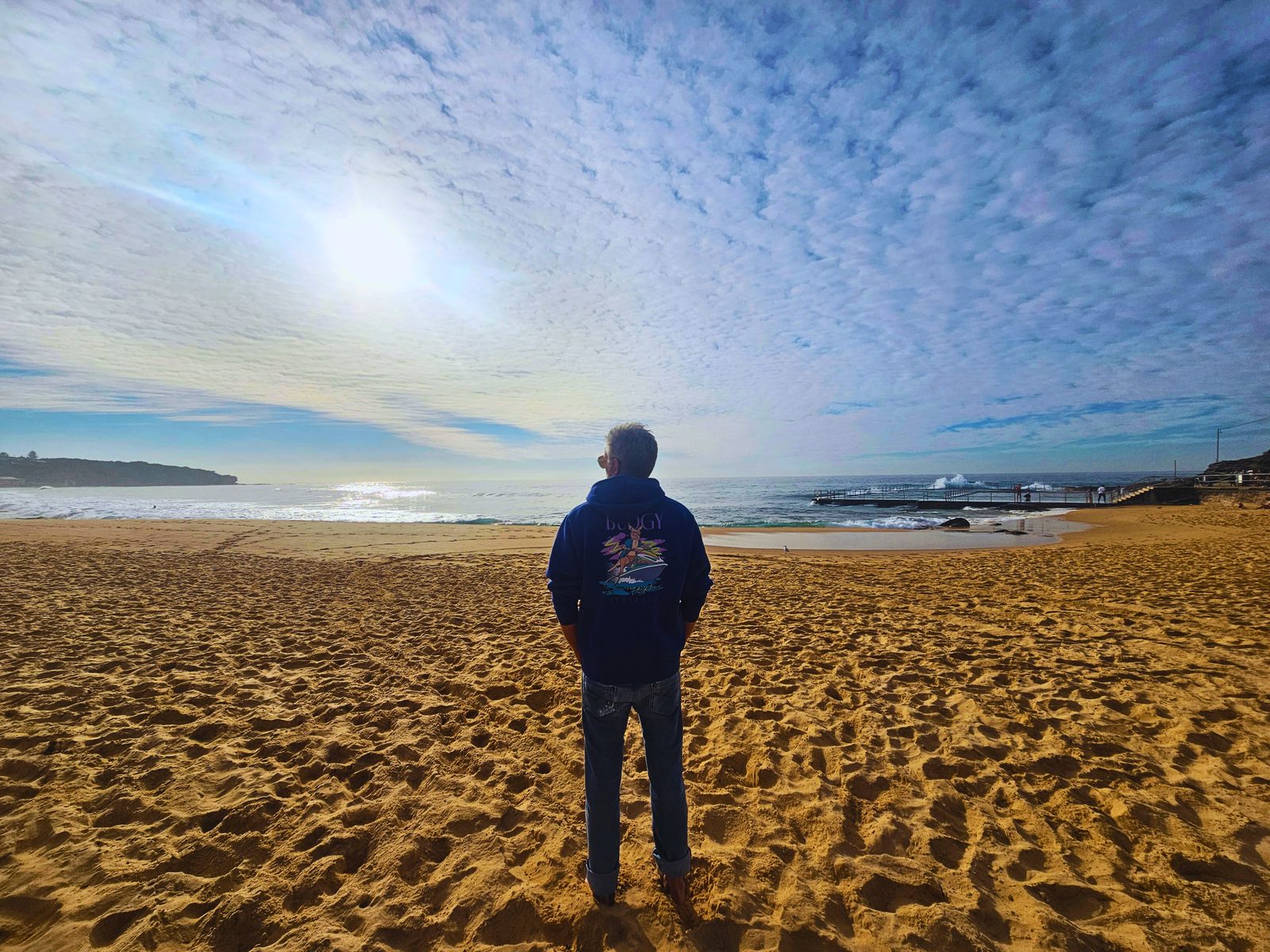
I have spent thirty years in financial services being paid, essentially, for my brain. Then one day in November 2022 I woke up in a hospital bed and it failed me.
I could not see. I could not speak. I could not move. I had been in a coma for days, and for most of those days the doctors could not tell my family whether I was coming back at all. How I got there, and everything that came before it, is in My Story. This piece is about what came after.
I've never shared this story publicly. I'm still not certain why, but I suspect it was a combination of embarrassment and fear. But I am sharing it now because I believe there is something in this for everyone. And it may help someone going through something similar.
This is a story about what happens when your world changes overnight without warning. It's about nearly dying. And what happens after you wake up.
The post-coma inventory
The first thing you do when you wake up, once the terror subsides enough to think at all, is take inventory. Sight: gone. Speech: gone. Movement: gone. Heart: I would later learn it was operating at around a quarter of its capacity, and the doctors quietly told my wife it was unlikely to ever do much better. Brain: there was damage to both sides of my thalamus, which is essentially the brain's switchboard. And my switchboard was down.
It was a truly terrifying experience. But it wasn't the blindness, or the dicky heart, or the absolute reliance on others that scared me most. It was this fundamental question: how much of me is still in here?
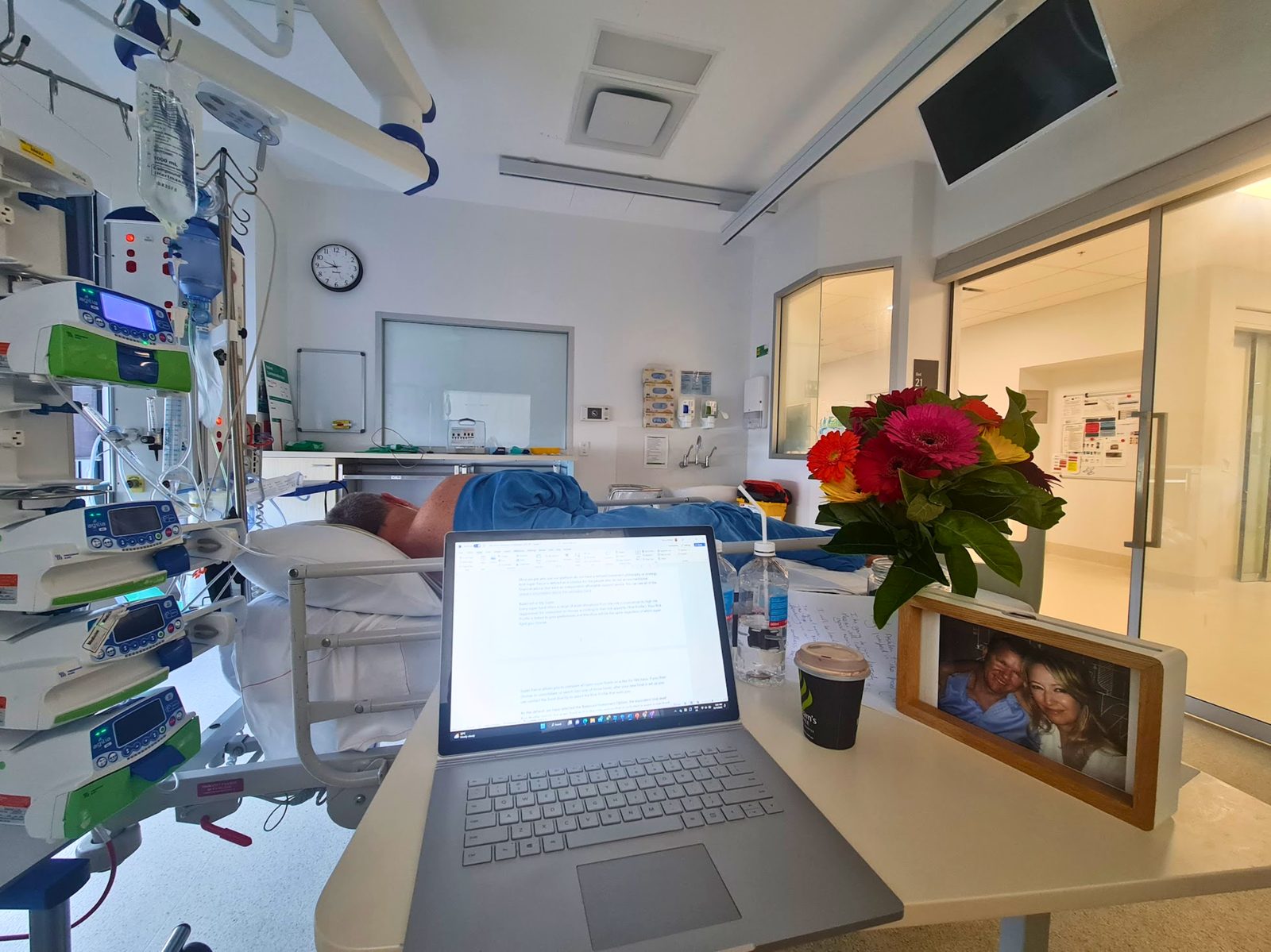
My whole life, my career, my usefulness to other people, my sense of who I was, all of it ran on the assumption that my brain could do anything I asked of it. Now I had no way of knowing how much of that brain I'd always relied on still worked, and no one could tell me. Some answers would take years to arrive.
You find out very quickly, lying in a hospital bed for weeks on end, which parts of your identity were load-bearing and which were just window dressing.
You find out very quickly, lying in a hospital bed for weeks on end, which parts of your identity were load-bearing and which were just window dressing.
Humility, the involuntary kind
I used to think humility was a virtue you practiced. It turns out there is another kind, one that is forced upon you. It is a harsher and far more effective teacher.
There is nothing like having to rely on strangers in a stark hospital to help with the most basic of tasks, to clarify your actual place in the universe. There is nothing like losing speech to teach you how much you relied on being able to voice your ideas, feelings and needs. Overnight I couldn't even ask for water.
Over the following years of recovery, this forced humility slowly but effectively revealed the most valuable insights I have ever acquired. The people who loved me, didn't love me any less. My children did not love my CV. My wife had not married a job title. The people who showed up, and kept showing up, were not there for what I could do. They were there for who I was, and apparently who I was had survived the stroke intact, even while almost everything I could do had not.
I had spent my whole life confusing my worth with my output. It took losing that capability to finally gain clarity. I do not recommend the methodology, but I cannot argue with the result. It's both humbling and liberating to learn that you are valued for who you are, and for how you make people feel, not just what you can do for them.
Courage isn’t always big and loud
People tell me the way I approached my recovery was courageous. It's kind, but it makes me deeply uncomfortable, because from the inside it never felt like courage. It just felt like arithmetic.
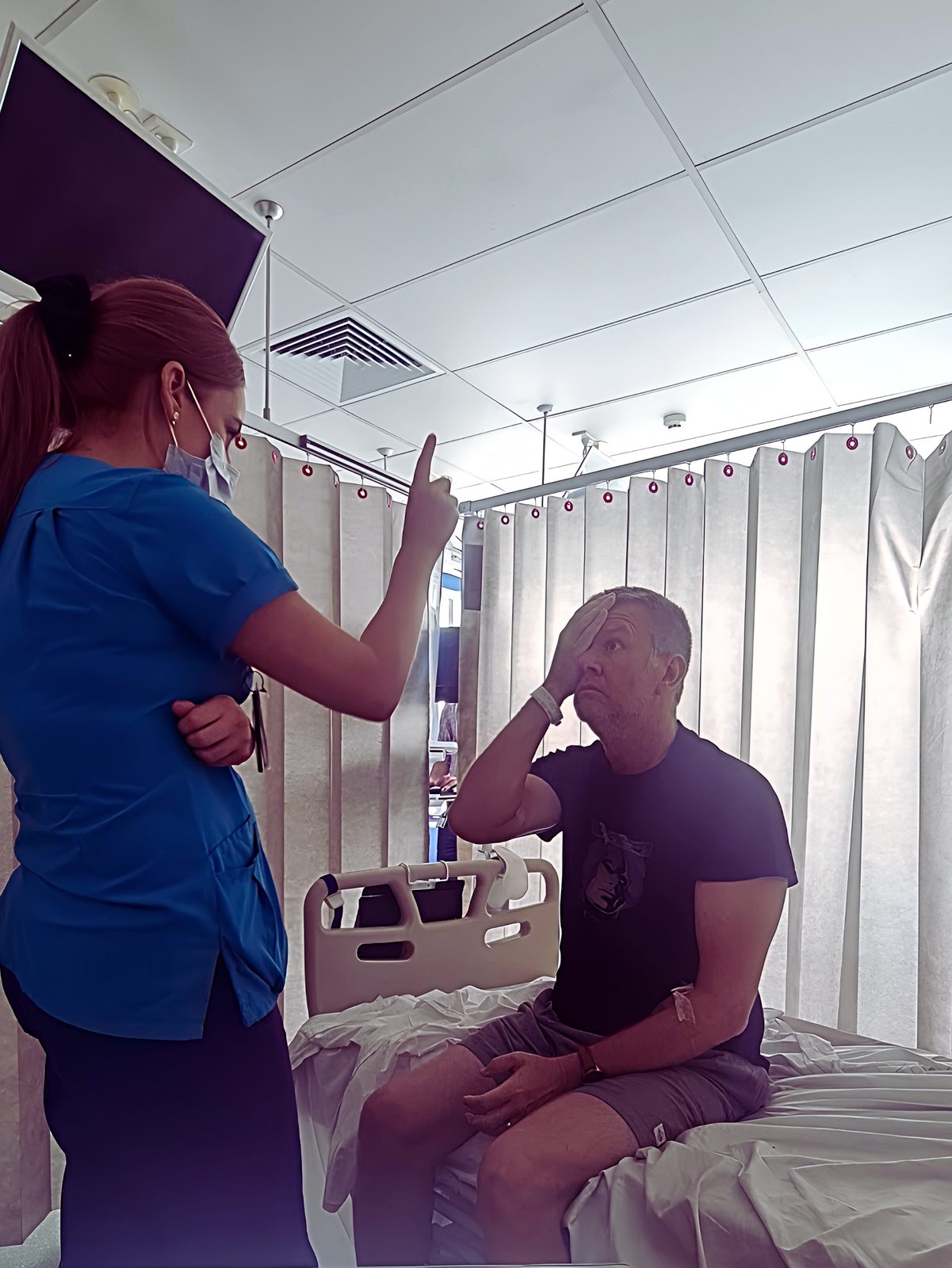
Courage, I used to think, was the big dramatic thing: the burning building, the impossible odds, the speech before the battle. What I've learned is that in recovery there are no big dramatic moments. There is only a physiotherapist at 8am. A word you could say yesterday that you cannot say today. Skills to relearn and strength to build. And a choice, repeated several thousand times, about what to do with that.
The choice is genuinely binary. You can spend the day grieving the person you were. I watched grief steal months and even years from people in the beds around me, good people, who had every right to their grief. But I chose to treat each day as one unit of work: today the left hand, today one lap of the corridor, today a full sentence. Not because I am brave, but because I am a builder, and rebuilding was the only thing on offer that looked anything like the version of me I knew.
Early on I decided upon two strict rules: I would not complain, because complaint is a story you tell yourself about the past, and every hour spent narrating the past was an hour not spent building. And I would not seek sympathy, because sympathy (while lovely) is useless when you're determined to rebuild. What I actually needed from the people around me was help, tasks, targets, and the occasional honest laugh at how badly I was doing. My family was good at all four!
I chose to treat each day as one unit of work. Not because I am brave, but because I am a builder, and rebuilding was the only thing on offer that looked anything like the version of me I knew.
There was a third rule I did not choose so much as discover: instead of fighting it, I leaned into the strangeness. A rewiring brain does odd things, and the temptation is to be terrified by every one of them. I decided instead to be interested. I had spent a career being fascinated by how systems reroute around failure. So as a family we worked on finding the most effective reroutes. As a result, I have learned more about myself in the last three years than I did in my first fifty years of life. In equal measure it is confronting, fascinating and exciting, and I am there for all of it.
Perseverance is compound interest
Forgive me the metaphor, but it turns out recovery works just like compound interest.
Any single day of rehabilitation is worthless. One session, one exercise, one attempted word: measured on its own, each is a rounding error. That is precisely what makes recovery so brutal, because the daily evidence always says it's not working. The gains only exist in aggregate, over horizons long enough that you cannot see them from inside a single day. You have to keep investing on faith, through months where the account balance appears not to move at all.
I already knew this pattern. Every investor knows this pattern. It is the easiest thing in the world to describe and one of the hardest to actually live, and I say that as someone who has now done both.
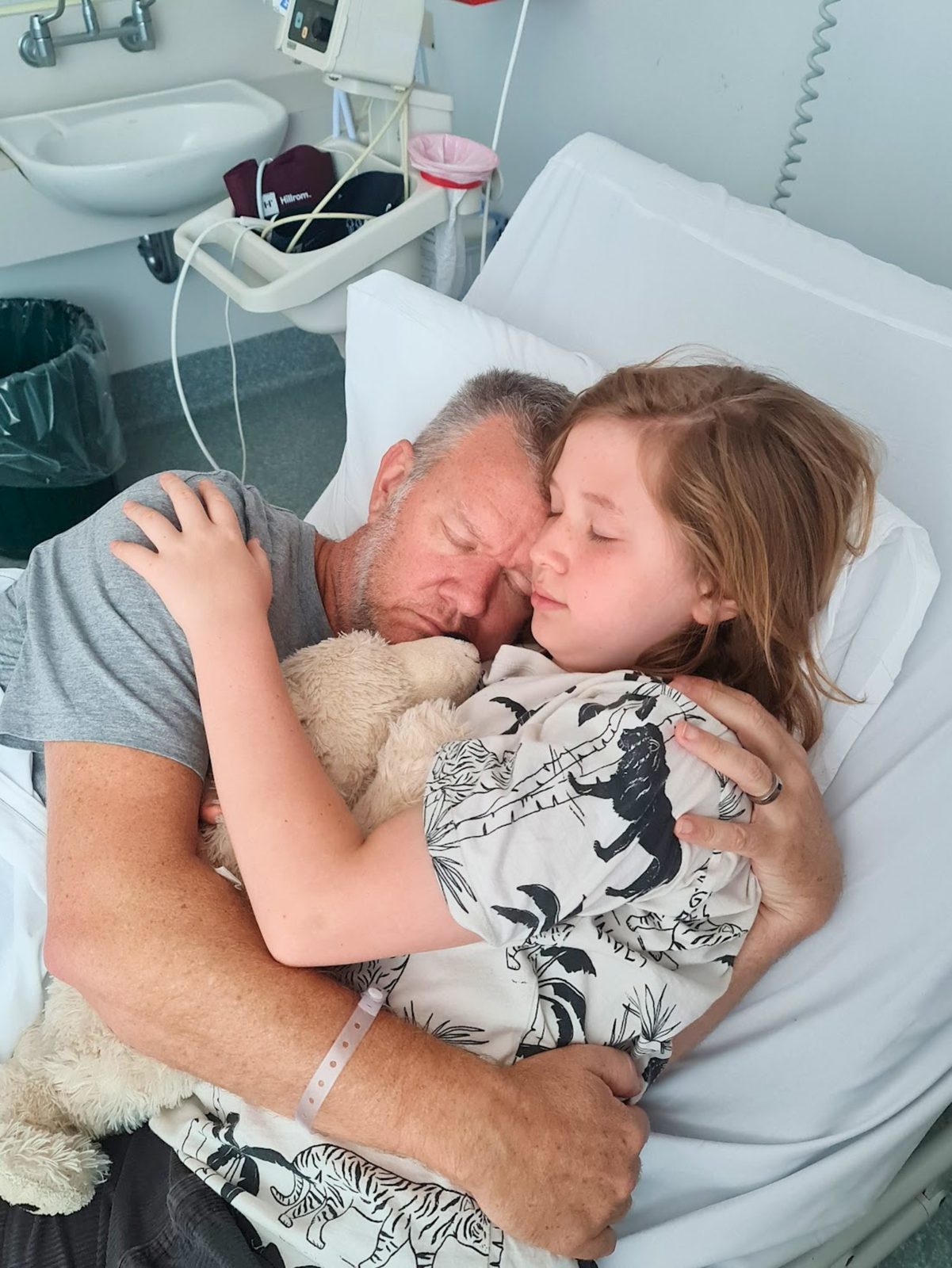
So I showed up daily and let time do what time does. A lifetime of running, cycling, swimming and rugby turned out to be capital I did not know I had banked; my doctors believe it is a large part of why I am still here. But of course my wife is certain it's because of her.
In June 2024 I underwent major heart surgery which my doctors were not confident would deliver much improvement, but half a day later I woke more energised than I had been since before the stroke. It was a great success and a significant step forward in my rebuild. And then fast-forward to April 2026 when, in the gym, mid-set, it occurred to me that I felt a lot like myself again. Not like a repaired version of myself. Just myself.
My heart now operates at around sixty percent, a number I was told was impossible. I am no longer on speaking terms with the word "impossible."
I am no longer on speaking terms with the word ‘impossible.’
How the honesty of a catastrophe beat decades of success
I would not wish this on anyone, and I cannot bring myself to call it a gift. It wasn't a gift. It was a catastrophe that nearly killed me, traumatised my children and pushed my wife, who is also my business partner and best friend, to the very edge of her limits. But with an enormous amount of help, I managed to survive. In fact, we managed to survive and we are now laser-focused on the positive and excited about the future.
Catastrophes are honest in a way that success never is, and that brutal honesty has armed me with the most valuable insights I've ever learned.