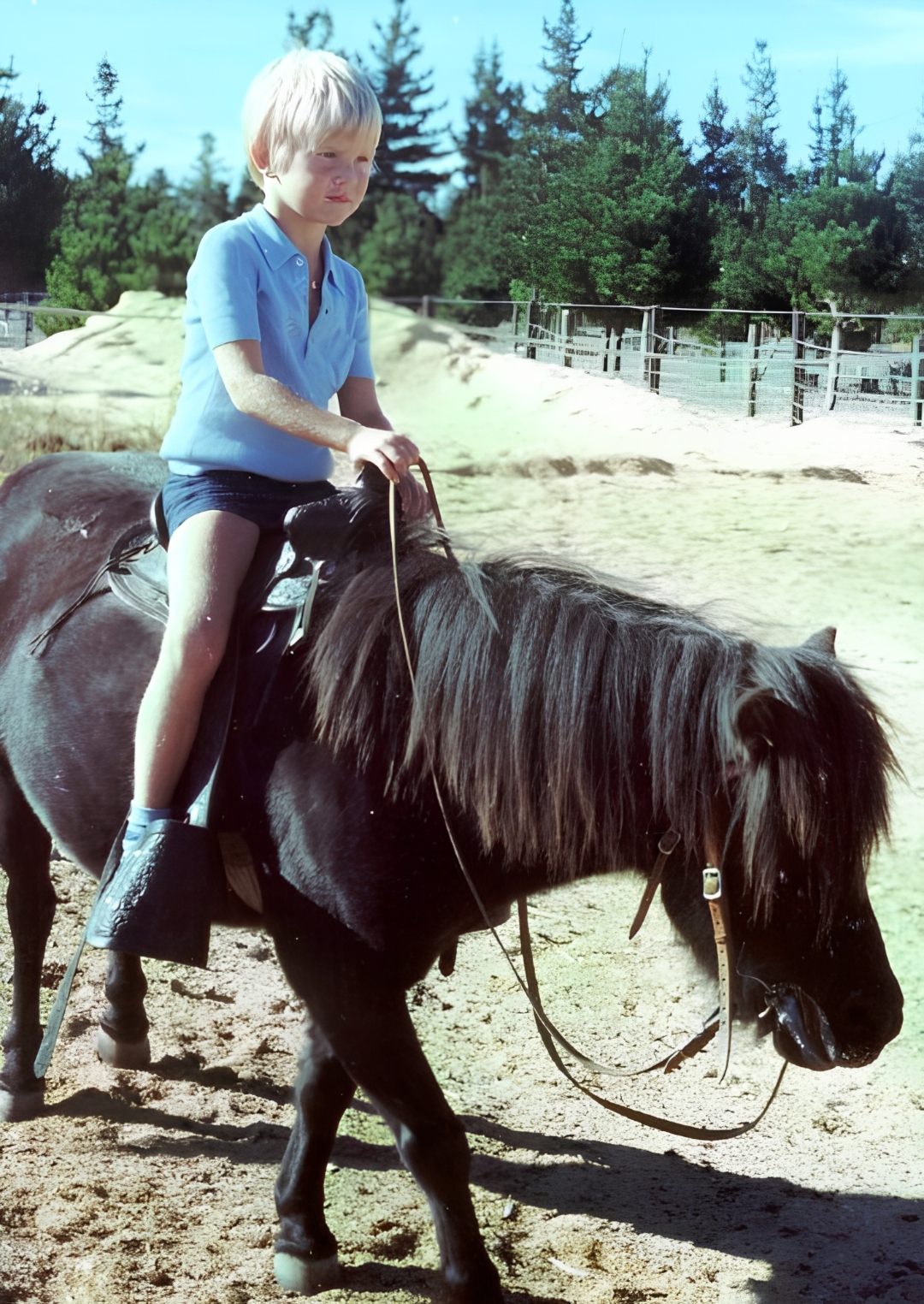
I was a boy from Burleigh Heads with salt in my hair, a bike, and an eye for how money worked, right down to the weight of a twenty-cent coin. I built a career I am proud of, at Macquarie and across fourteen countries. I became a husband and a father, and spent a decade building businesses with the people I love. At 51, a stroke took my sight, my speech and very nearly my life. What came after, the fall and the long climb back, taught me more than the thirty years that came before.
What follows is how it started, who I really am, what I built, what I survived, and who I came back for.
I was born in Wellington, New Zealand in 1971. My father was a persistently optimistic entrepreneur, my mother was fiercely intelligent and focused on supporting the family, and when I was six we did what a lot of Kiwi families did in the seventies: we crossed the Tasman chasing opportunity, landing at Burleigh Heads on Australia's Gold Coast.
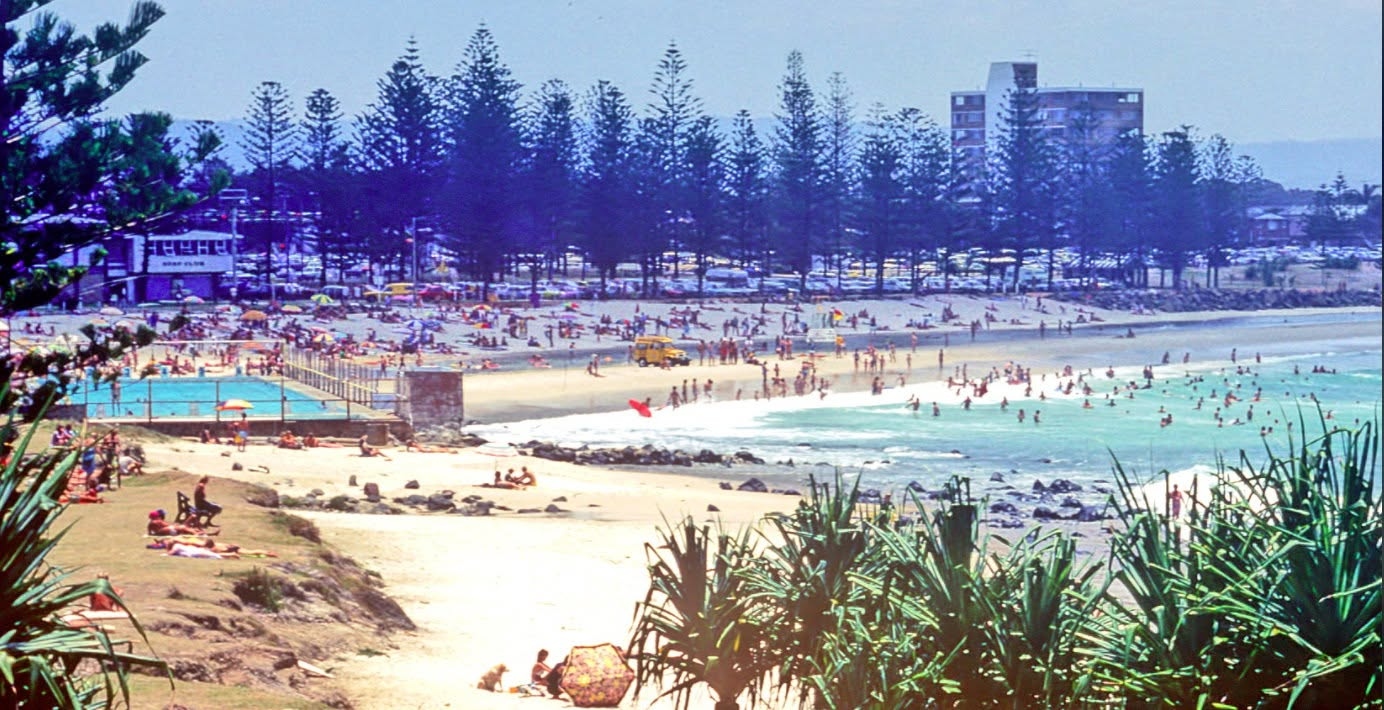
Burleigh back then was raw and wild and beautiful. I grew up in the surf, riding my bike to school, salt in my hair most of the year. My father went from real estate agent to one of the early Gold Coast property developers. I watched him build things from nothing, become wealthy, lose it all, and build that wealth all over again. Those lessons of vision, hard work, humility and tenacity are amongst my most formative.
A person's starting point
does not determine
where they can finish.
The story my mother still loves to tell is of a family trip back across the Tasman. When I was seven years old, Dad gave my brother Shaun and me some holiday spending money, and I noticed something: the Australian and New Zealand twenty cent coins were identical in size and weight, but they weren't identical in value.
Seeing an opportunity, I converted my money into bags of New Zealand twenty cent coins, carried them back to Australia, mixed them with Australian coins, and took the lot to the Commonwealth Bank, where coins were counted by weight. Despite telling them what I was doing, I walked out with a good deal more than my father had given me.
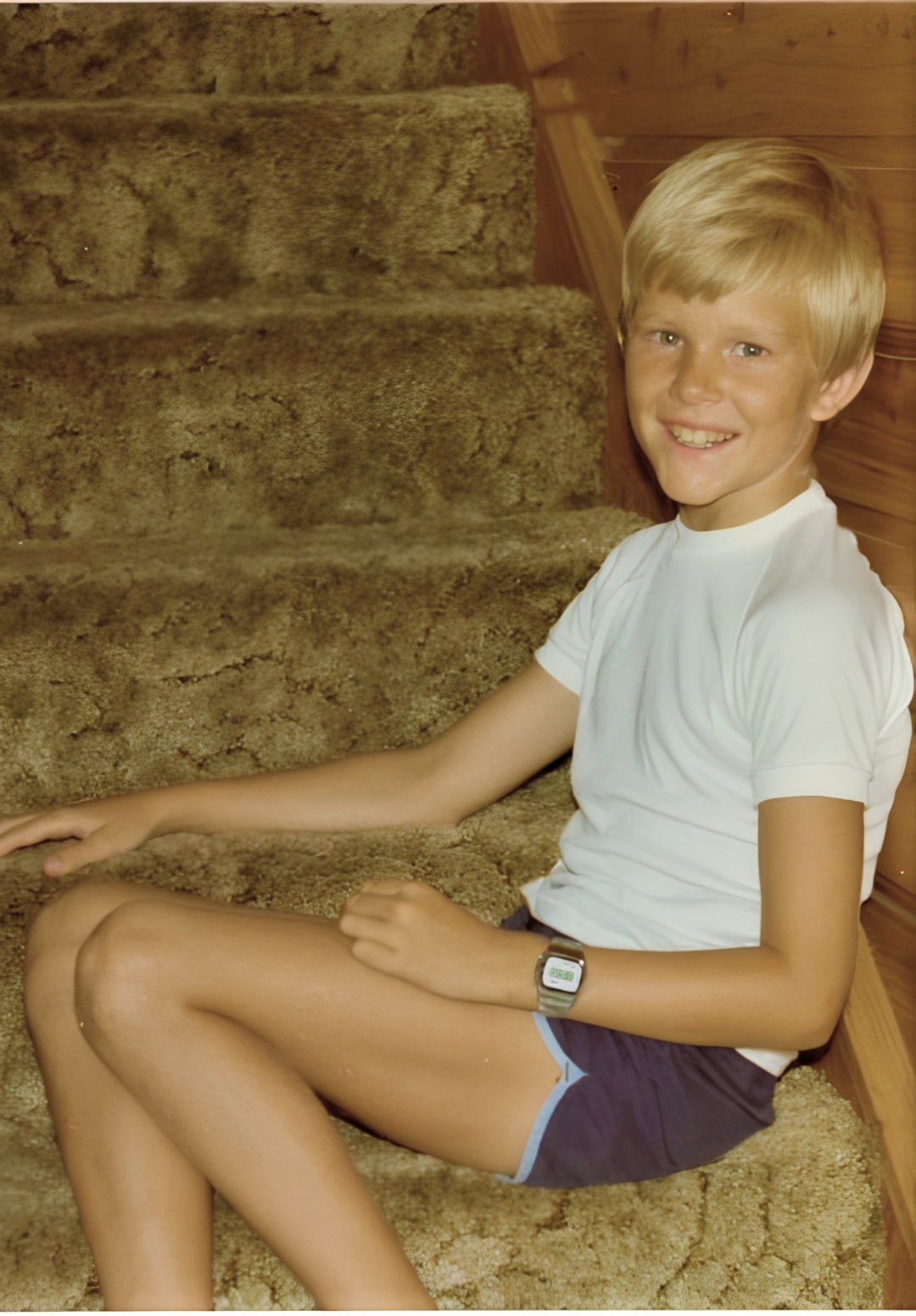
Years later I would write an honours thesis on arbitrage pricing theory. My family maintains the thesis was redundant. I had already done the fieldwork with a bag of coins and a set of bank scales.
I went to Miami High, a rough public school on the Gold Coast in an era when it was rougher still. I sometimes joke that only a handful of us in my year made it through year 12 and went to university. But I loved it, and it taught me something no selective school could have: how to get along with absolutely anyone.
After graduating, I moved to Brisbane to study commerce at the University of Queensland. The study came easily. But I was also working at a golf course back on the Goldie, and that job led to the detour that changed everything.
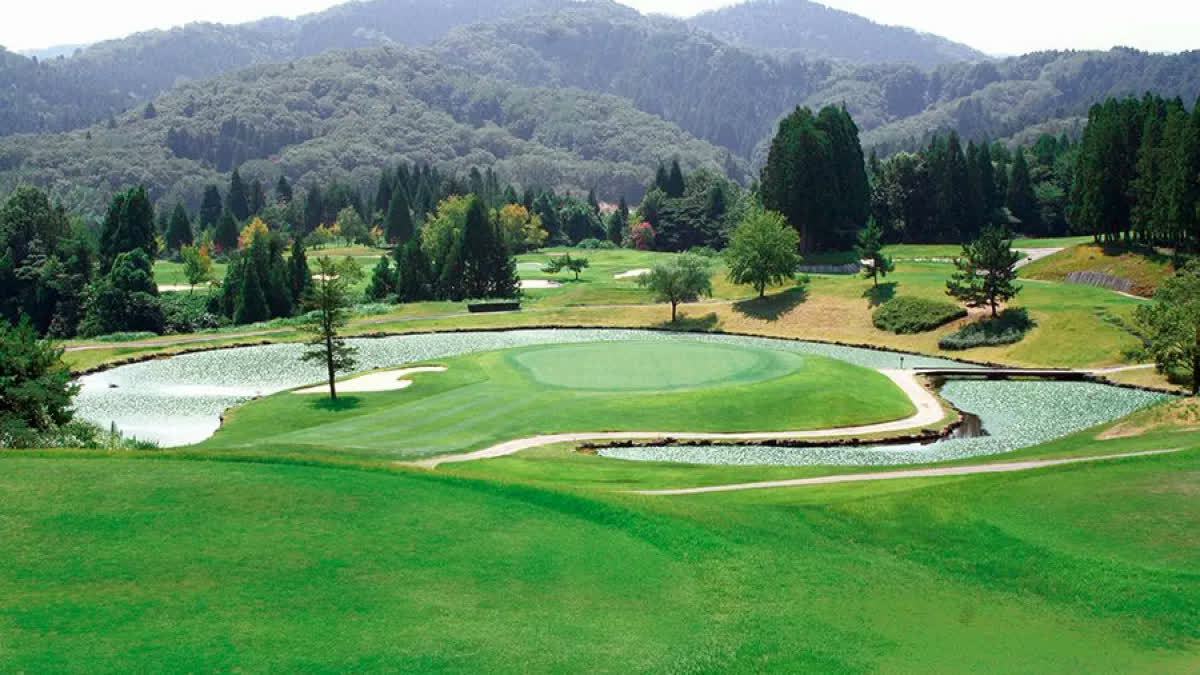
One of my closest friends from Burleigh was a gifted golfer. He spotted an opportunity to work in Japan as a golf caddy, a genuinely great gig, and he badly wanted to go. He just could not quite make himself do it alone. So, I applied with him. We both got jobs, and at twenty I found myself carrying golf bags at Takefu Country Club in Fukui, before Trenna and I went on to live and work in Tokyo.
That decision shaped my life twice over. It taught me early that the interesting path is rarely straight ahead. It also happened to be where I met a nineteen-year-old Australian girl named Trenna. We instantly became the best of friends. It took us another twenty years to become more than that, but that story comes later.
Saying yes to an adventure so a friend can have theirs
costs you nothing, and gives you everything.
After Japan, Queensland felt small. I transferred my degree to Melbourne and finished it there, before following a girl I had met in Japan (not Trenna, not yet) to Adelaide, where I completed my honours in commerce. Thesis topic: Arbitrage Pricing Theory. Some things are just in you.
My first job was as an auditor at KPMG. I discovered quickly that I was a poor fit for auditing, which rewards doing the same thing precisely and repeatedly. What saved me was that leadership noticed I was useful for something else: seeing commercial opportunities inside the numbers, explaining them so people could act, and teaching others to use new tools. They moved me toward consulting and strategy work.
A pattern emerged there that would follow me everywhere. In Adelaide I also met Joanne, who became my first wife and the mother of my beautiful children, Caitlin and Lachlan. Together we moved to Sydney, and I joined Macquarie.
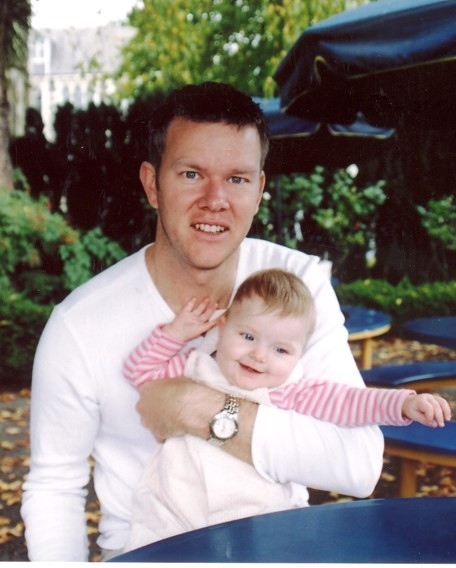
Find the opportunity inside the numbers, then explain it so people can act.
I spent fifteen years at Macquarie, almost all of it in what began as the Financial Services Group. The turning point came when a new executive arrived to run the business. He saw something in me and made me his right hand, and at twenty-eight I was tapped on the shoulder to run New Zealand as Country Head. It was the making of me. In a smaller market you cannot hide behind head office; you have to understand the products, the investors, and above all the financial advisers who connect the two.
I joined the executive committee of Banking and Financial Services, then moved into the global investments arm, building alternative and real asset platforms for investors around the world. Over those years I served on more than fifteen Macquarie boards, together responsible for around US$69 billion in assets under management, and led teams across fourteen jurisdictions, including India, Canada, the UK, South Africa and Hong Kong.
The business I am proudest of conceiving is Macquarie Agricultural Funds Management. I pitched it to head office and won approval to build it, even though a similar idea had been knocked back elsewhere in the bank. We raised A$730 million, well ahead of the A$200 million target, and built one of the world's most significant agricultural investment platforms. That business kept growing long after I left, and recently changed hands at a value of more than A$3 billion.
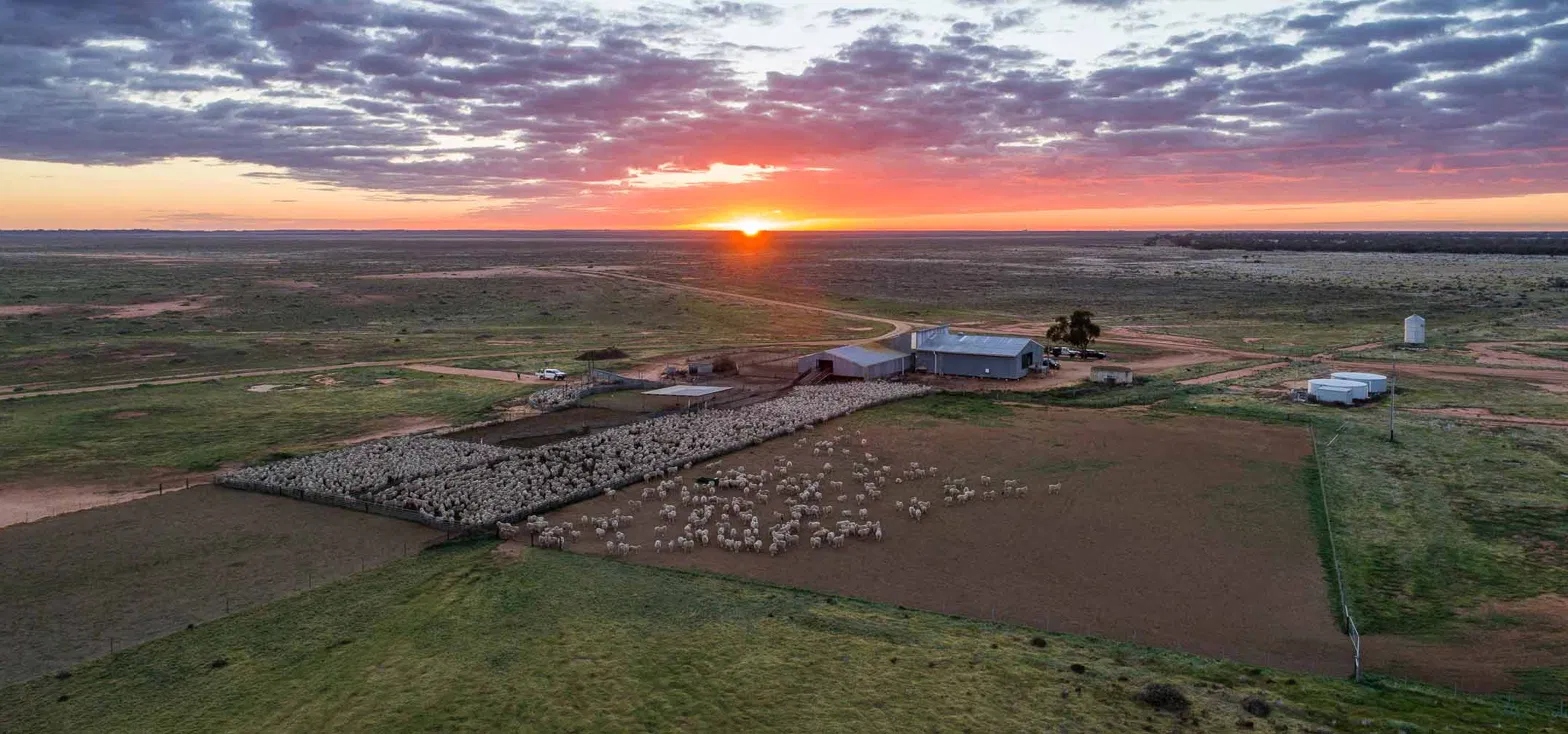
The best investments are often the ones the industry has not yet built the plumbing for.
I left Macquarie not because I was unhappy but because I was too young not to build again. Looking for a completely different experience, I joined FIIG Securities as Head of Markets, and then I started building. I served as CEO of Investible, where Trenna and I worked together again for the first time since Macquarie, and built a first-of-its-kind angel investing club that still operates today. There were boards too: a decade at Wisr, six years at Income Asset Management. And I co-founded Care360, an impact business helping Australian families find, fund and understand aged care.
Somewhere in those years, the friendship that began beside a golf course in Japan matured and evolved into marriage.
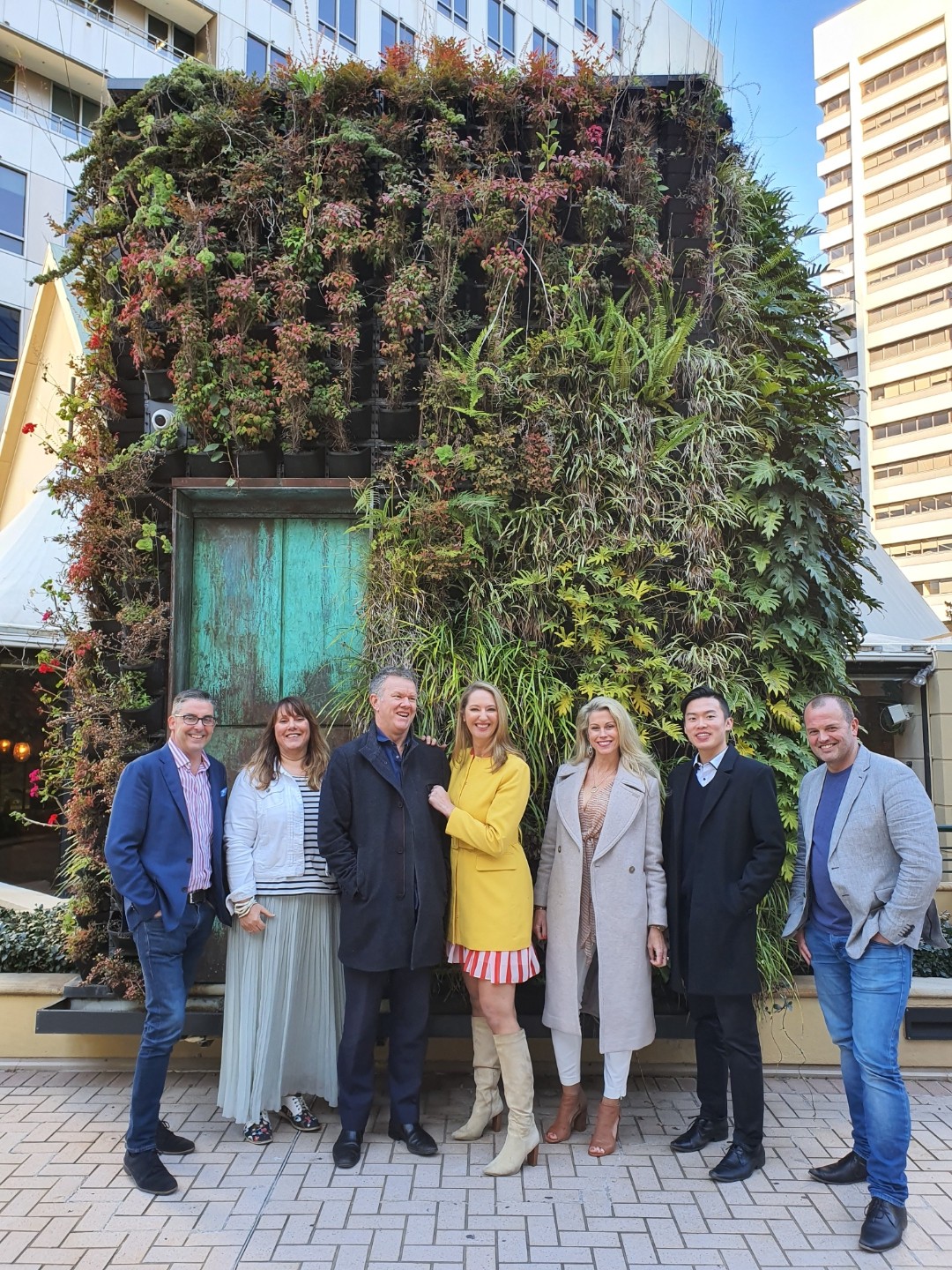
And with Trenna, by then my wife as well as my best friend and business partner, I helped build the foundations of Super Fierce, a social impact business taking aim at the US$105 trillion global gender wealth gap, starting with the retirement gap in Australia. I led the build of the Super Fierce advice engine and the Fierce Performers index, the technology designed to make genuinely personal financial advice affordable at scale. Days before everything changed, Super Fierce had just broken through: major press, surging growth, a capital raise launching. We were flying.
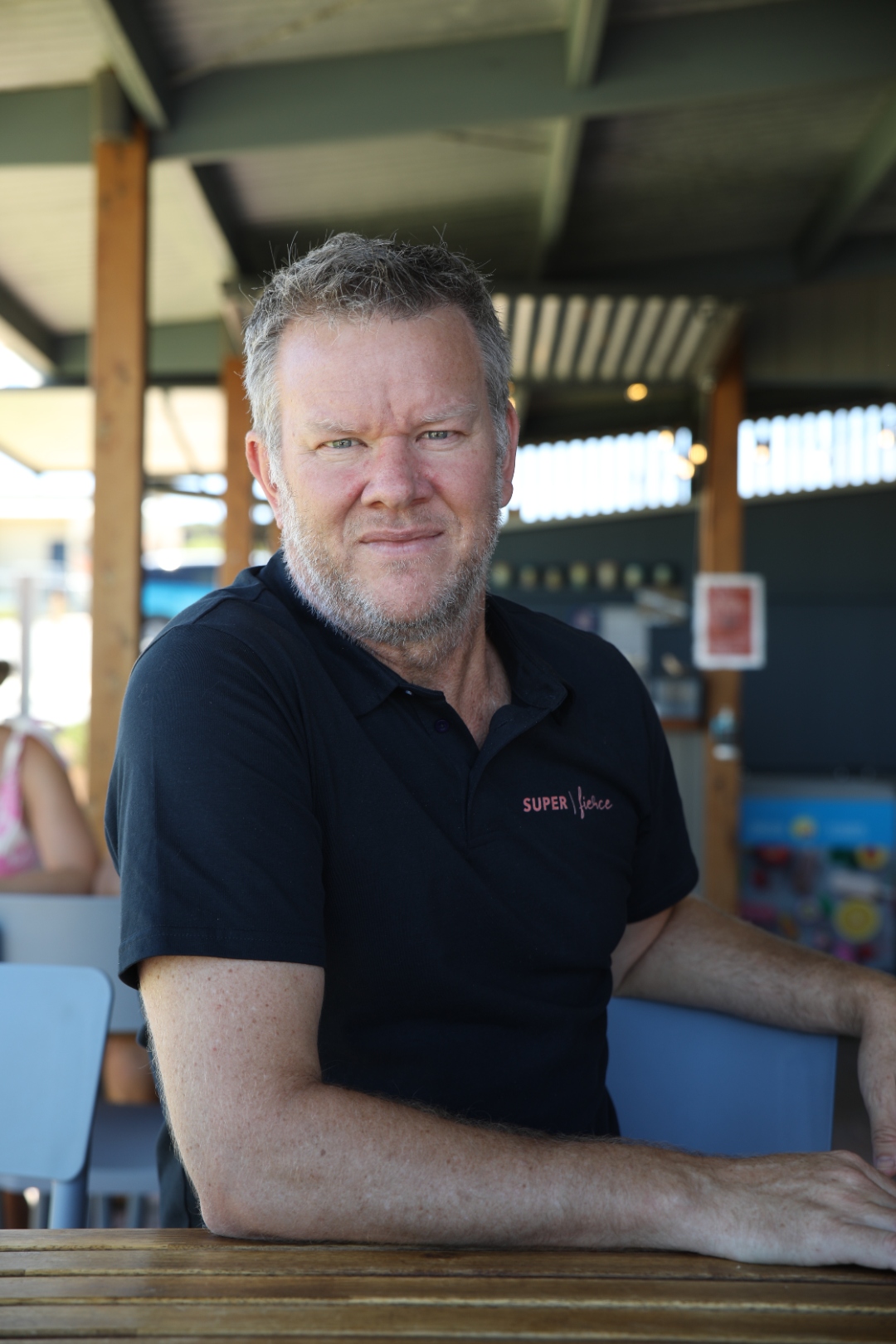
One November morning in 2022, the day after my Mum's 80th birthday celebration at my parents' home on the New South Wales Central Coast, I didn't wake up. Frantic, she called my wife, who called for an ambulance which took me to hospital in a coma. For days the doctors could not tell my family what had happened, or if I would ever wake up.
When I did wake, I was blind. I could not speak. I could not move. Eventually they established that I had suffered a significant bilateral stroke, and I was lucky to be alive.
My heart was operating at around twenty-five percent capacity. There was damage to both sides of my thalamus. My career had been built on my brain, and for the longest time I did not know how much of it I would get back. What followed was years of rehabilitation and a major heart operation in 2024. I worked at recovery the way I have worked at everything: every day, without drama, one small gain at a time.
Today my heart operates at around sixty percent, which is where a normal heart operates. The full account is in What Waking From a Coma at 51 Taught Me.
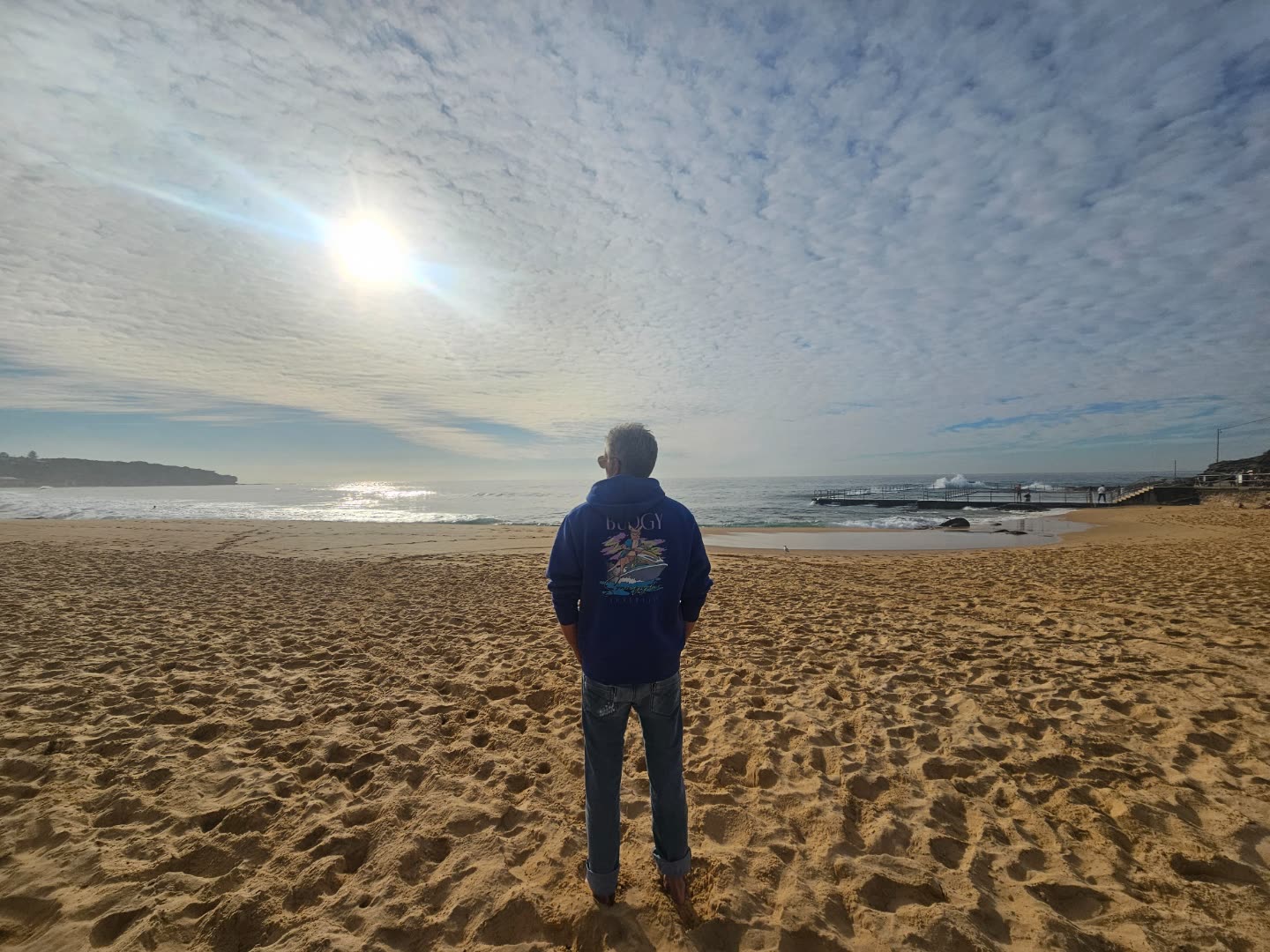
My doctors said that was impossible.
I have stopped using that word.
Between 2017 and 2020, before my stroke, I served as a non-executive director of Xinja Bank, one of Australia's new digital challenger banks. Ultimately the economics did not hold, and in late 2020 the board made the hard call to close the bank and hand back its licence.
I am proud of how we closed it. Every dollar of the roughly A$252 million our customers had deposited was returned in full, to around 37,900 people, in Australia's first voluntary return of deposits by a licensed bank. No customer lost a cent. Then APRA chair Wayne Byres, speaking at the 2021 AFR Banking Summit, publicly described the wind-down as a “successful failure.”
What followed was a multi-year administrative investigation, conducted while I was fighting to walk and speak again.
In October 2025, APRA made findings against me and disqualified me for ten years. I do not agree with those findings, and I have never accepted them. It has never been suggested that I benefited personally in any way. I had the right to an independent tribunal review, but my doctors were blunt: the sustained stress carried an unacceptable risk of another stroke. So I settled, to protect my health and my family.
Settling a matter and accepting its findings are two very different things. I have written the full account in Xinja: The Successful Failure.
What no one disputes is the outcome that matters most: every customer got every dollar back.
Without warning, everything can irrevocably change. A successful career can be interrupted. A hard-won reputation can be contested. A strong body can fail catastrophically. And when they do, you quickly learn that the things that actually hold a life together don't appear on a term sheet: a family that closes ranks, friends who show up, strangers whose kindness astonishes you, and a partner who carries you when you cannot carry yourself.
Trenna and I have four children between us: Caitlin, Ashton, Lachlan and Kit. We're a big, blended family. But our kids think of themselves simply as brothers and sisters, no prefixes.
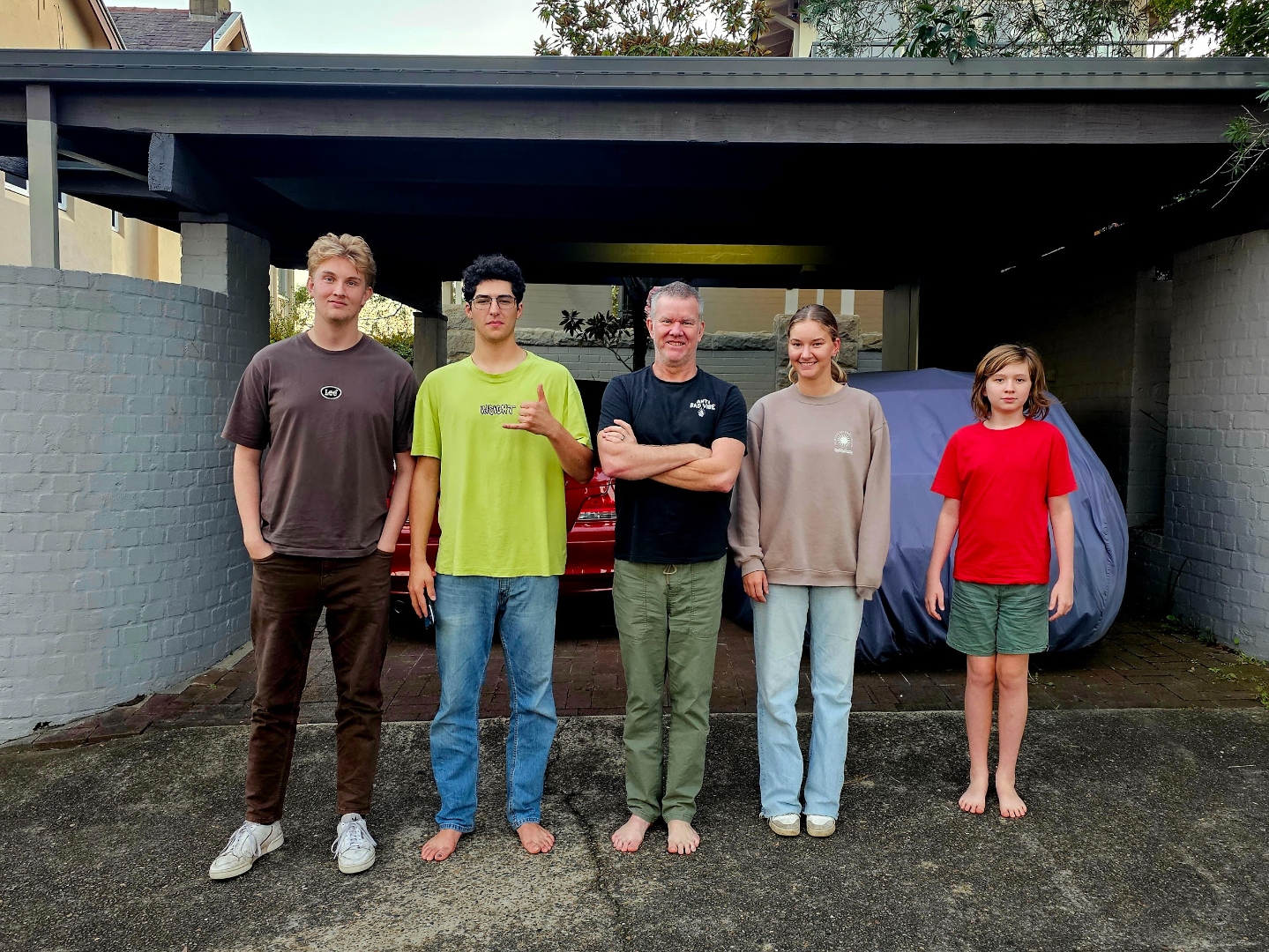
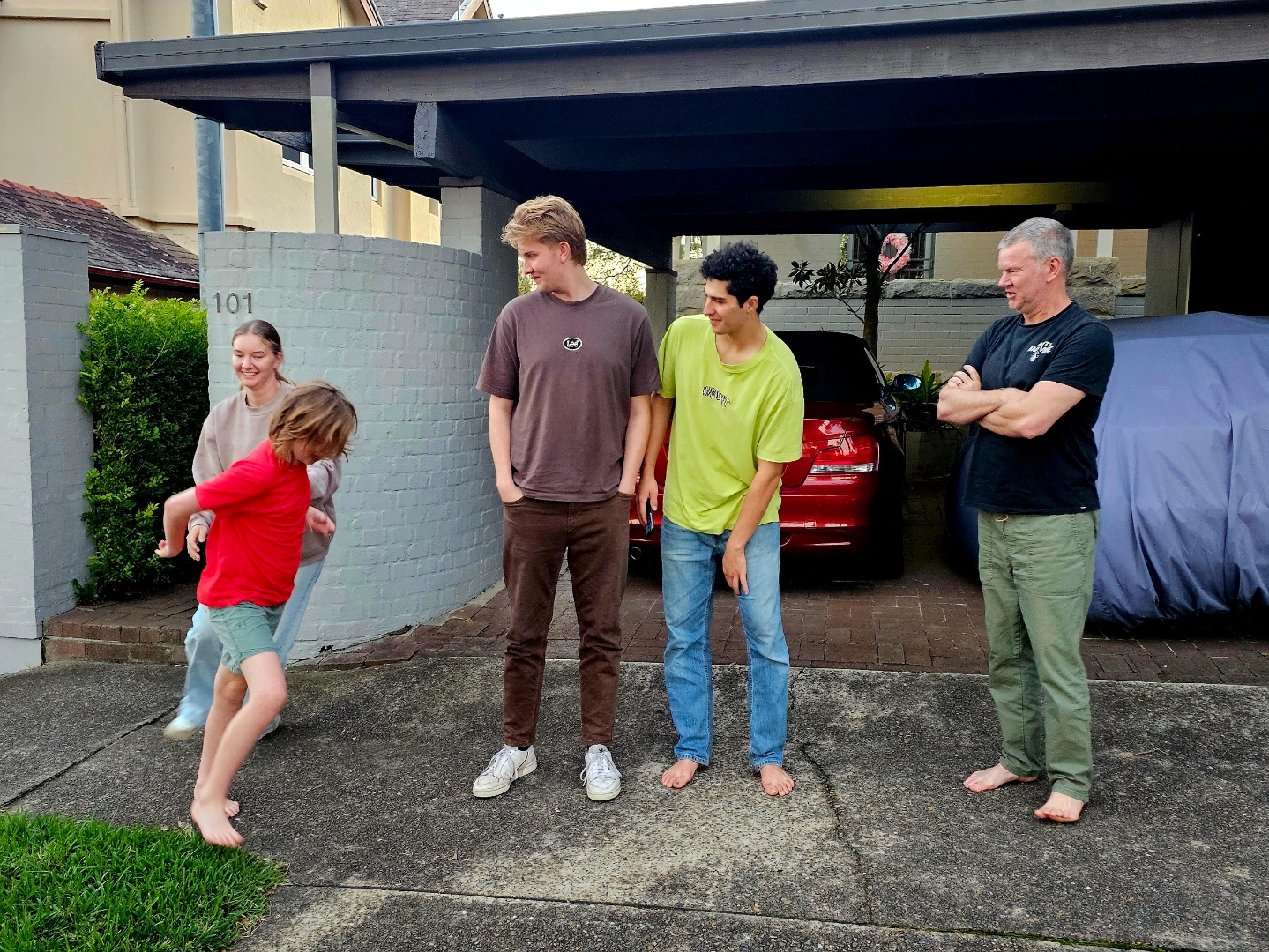
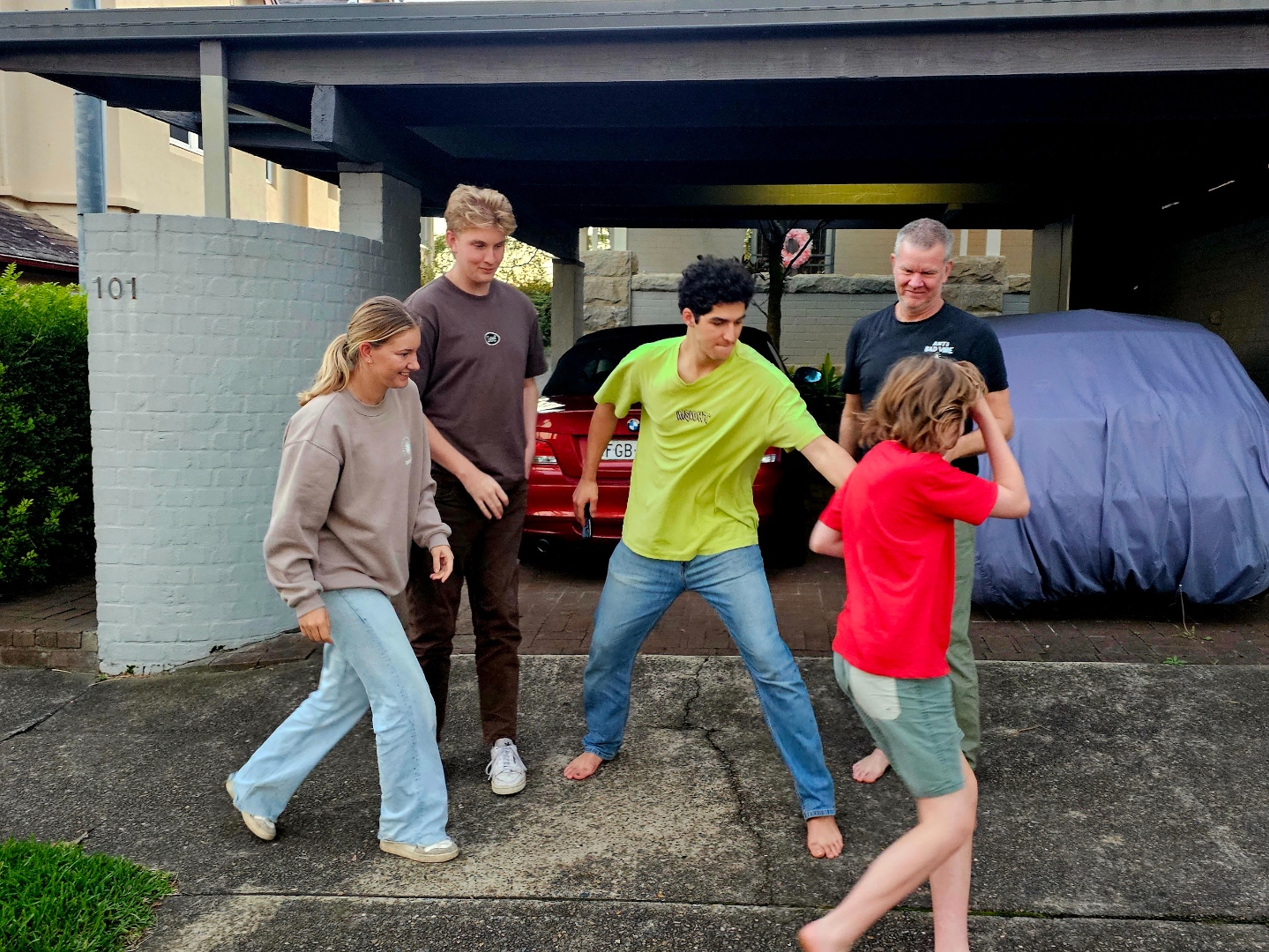
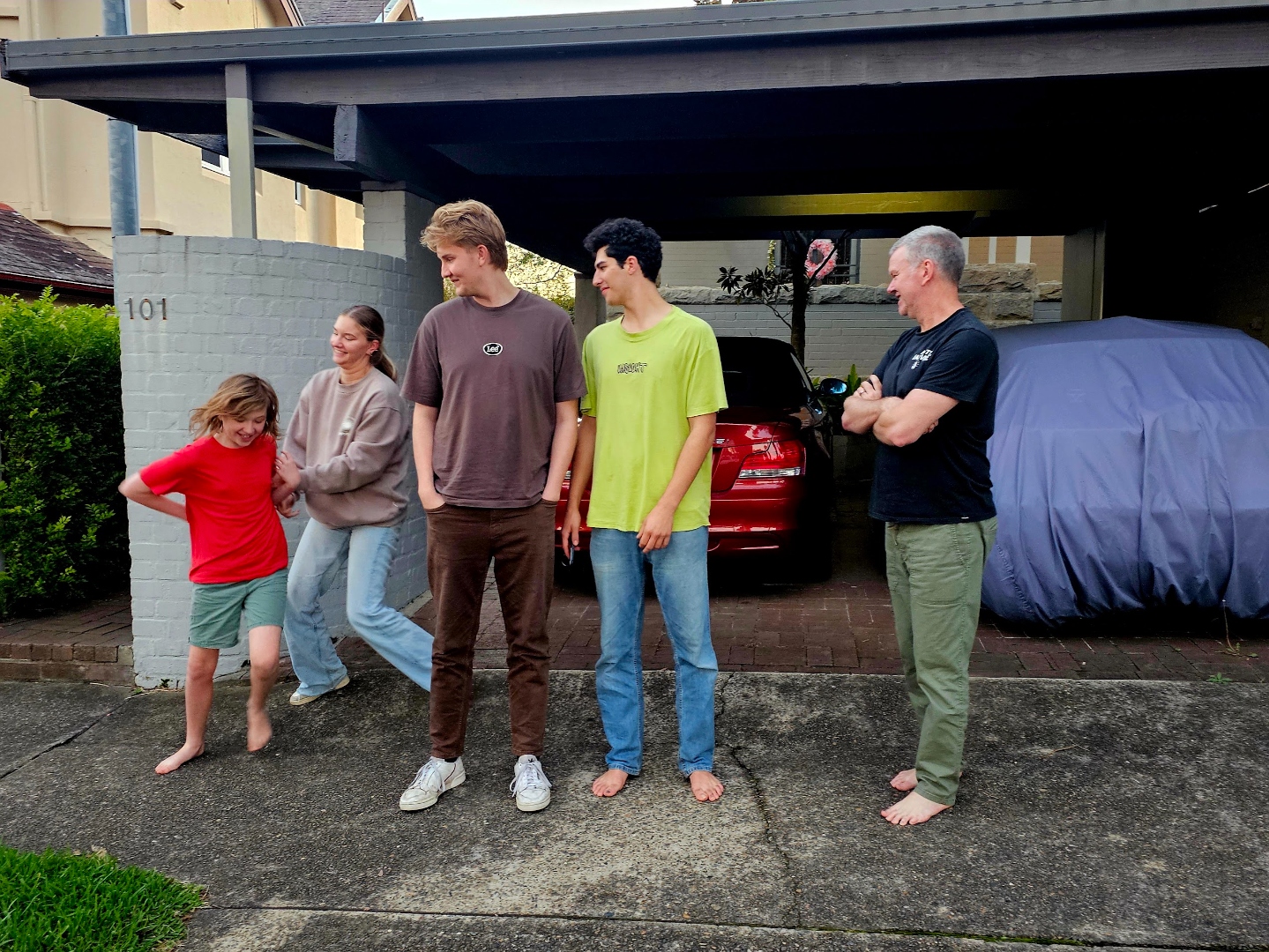
Of everything we have built, that is what I am proudest of.
Today I am recovered, loving being back with the kids outdoors and working with Trenna at Revolver Capital.
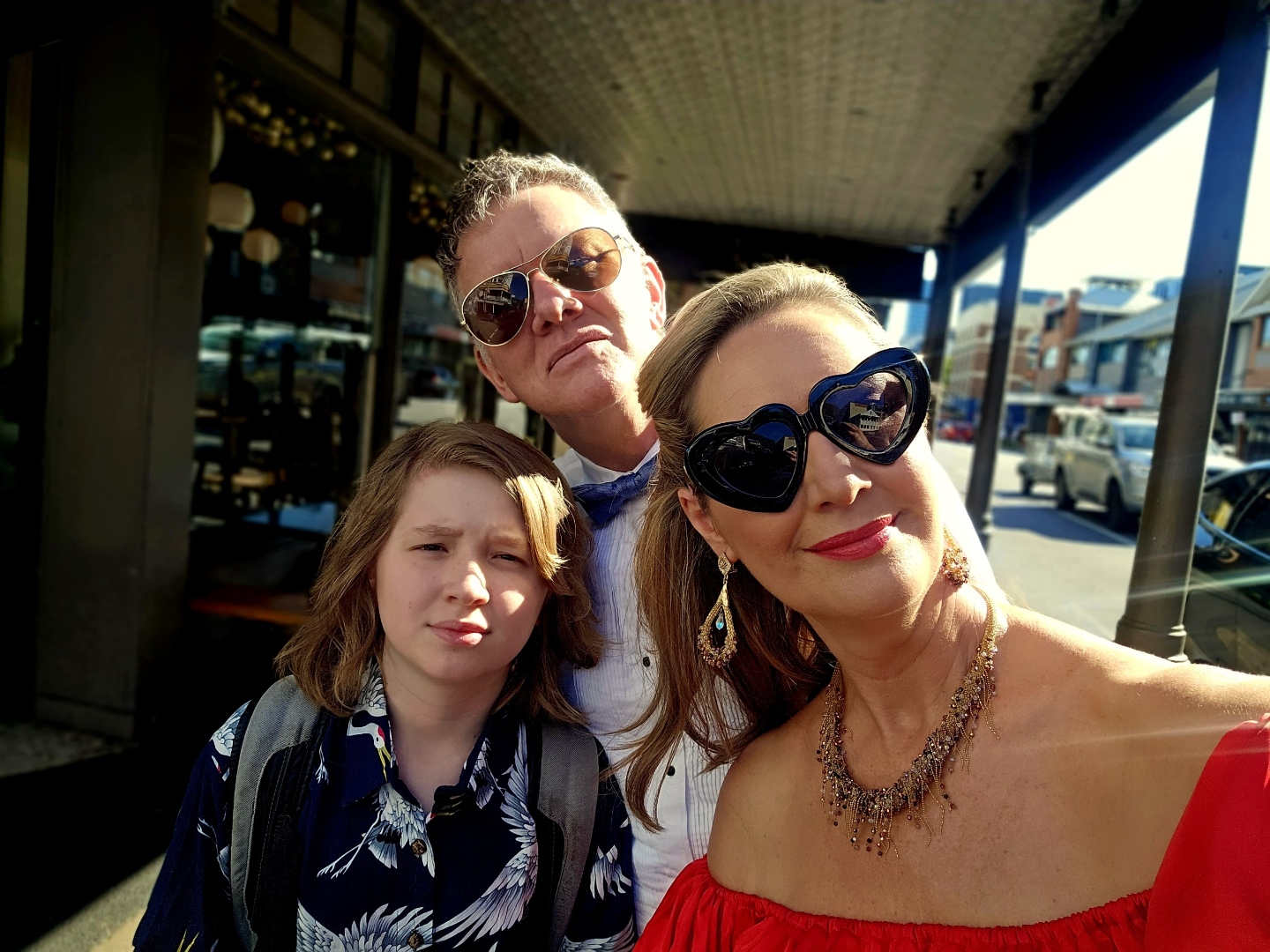
At Revolver we help innovative companies in fintech, financial services and investments get from good idea to funded, working business. I also still spend a good part of my week doing what I have always loved most and never charged for: helping people untangle complexity and unlock something in themselves they had not seen.
Thirty years in, my job description has never really changed. I stand between institutional investing structures and the people who bring them to real investors, and I translate. I did it with a bag of coins at the Commonwealth Bank, I did it across fourteen countries at Macquarie, and I intend to keep doing it on the biggest stage I can find.
I have survived the thing that was supposed to end me. In fact, I am fitter than I have been in a decade, more grateful than I have ever been, and more certain than ever about what I am here to do and why.
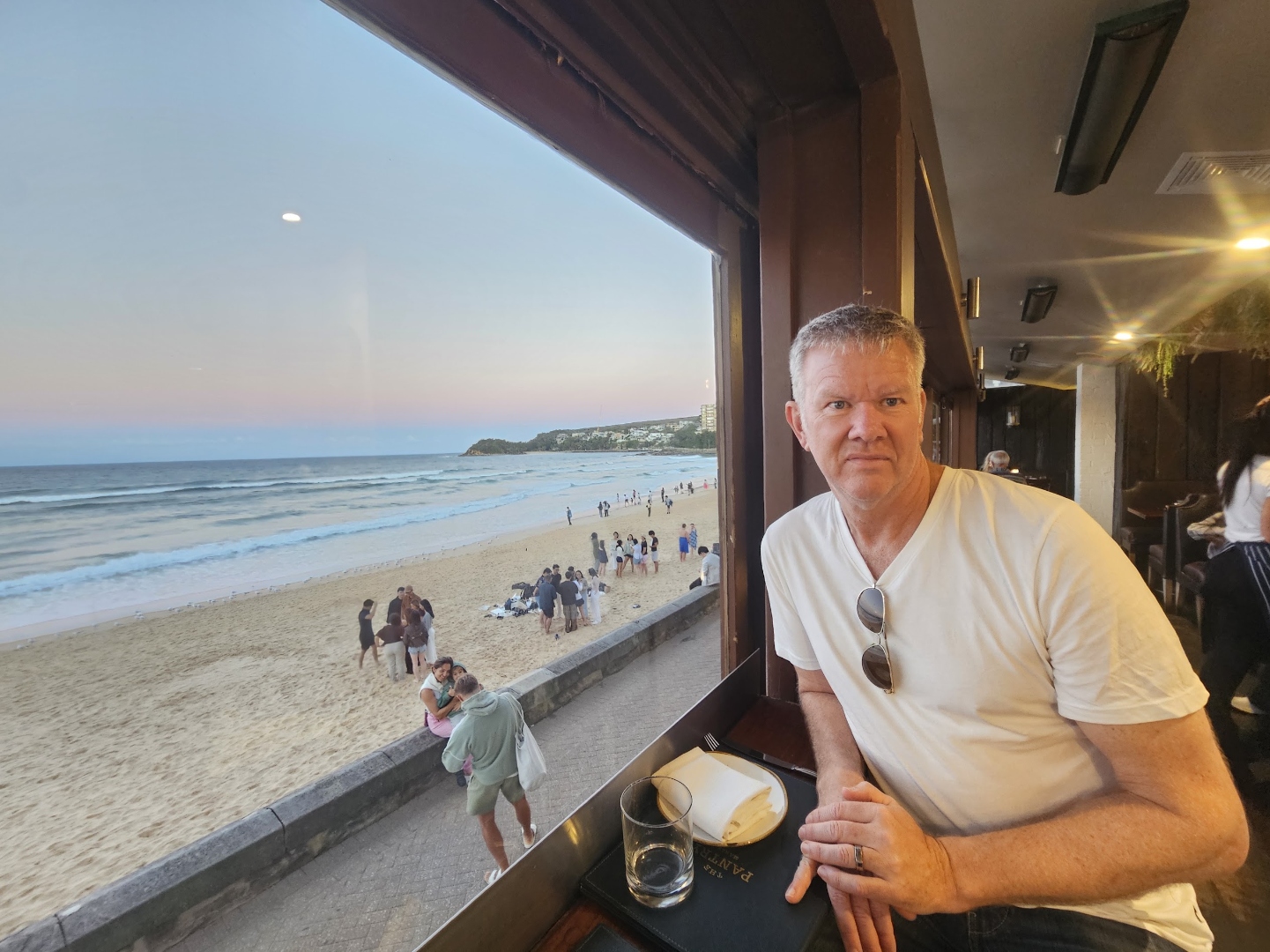
Through great adversity I have gained wisdom that would otherwise never have been mine. To everyone who showed up for us in the dark years: thank you. We noticed, and it made all the difference.
I am recovered, back with the people I love, and ready for the next adventure.

Connect with me
Whether you want to talk investing, building things, resilience, or the long road back from something hard, my inbox and my door are open.